
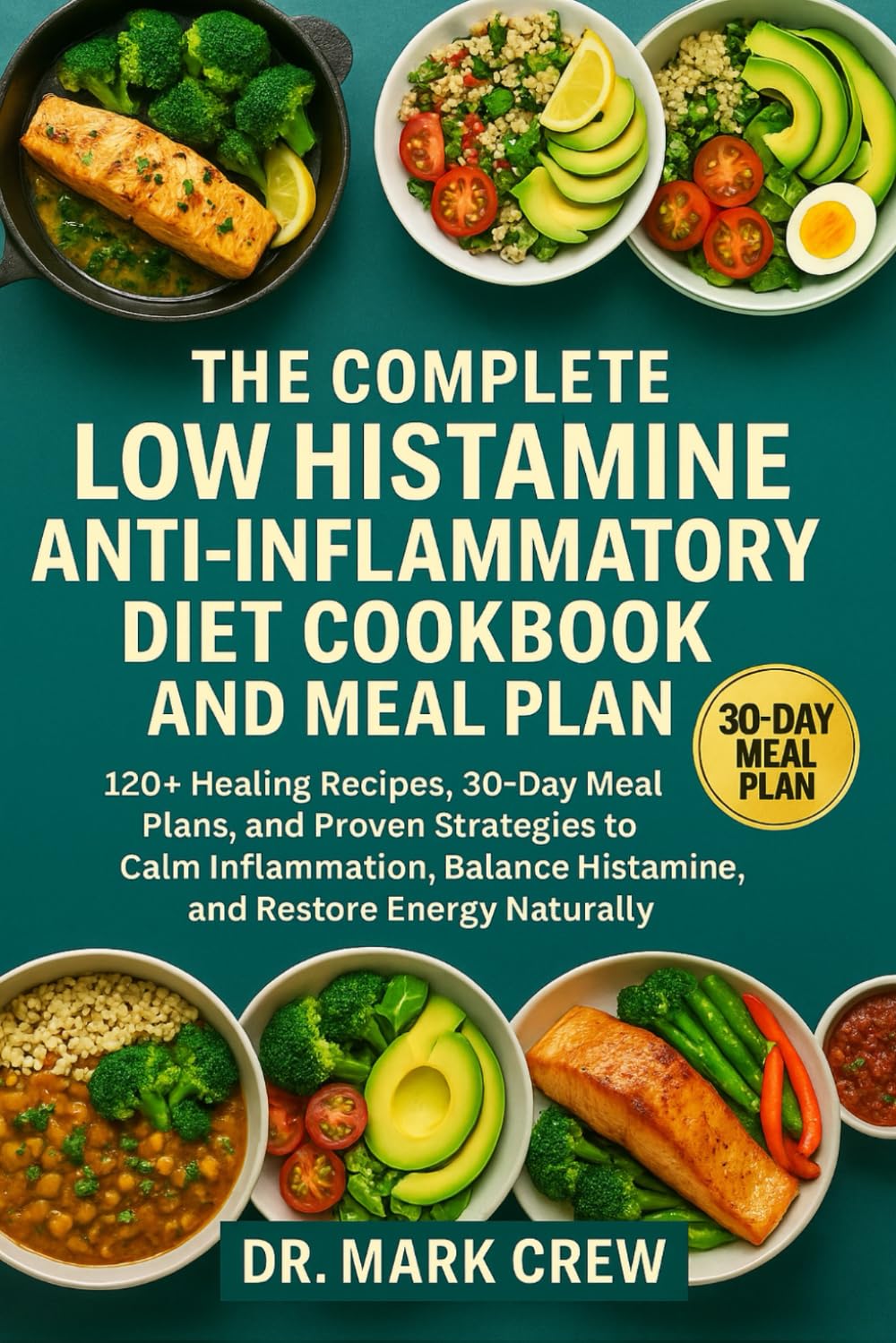
THE COMPLETE LOW HISTAMINE ANTI-INFLAMMATORY DIET COOKBOOK AND MEAL PLAN: 120+ Healing Recipes, 30-Day Meal Plans, and Proven Strategies to Calm ... Histamine, and Restore Energy Naturally Paperback – October 15, 2025
Product details
| Management number | 220493509 | Release Date | 2026/05/03 | List Price | $8.40 | Model Number | 220493509 | ||
|---|---|---|---|---|---|---|---|---|---|
| Category | |||||||||
Introduction to the Low Histamine Anti-inflammatory DietThe relationship between food and health has been recognized for centuries, but in today’s world of processed meals, stress, and chronic disease, the impact of diet has become more critical than ever. Many people live with unexplained symptoms—ranging from headaches and fatigue to digestive discomfort and skin irritation—without realizing that histamine and inflammation may be silently influencing their daily lives. This introduction lays the foundation for understanding how histamine and inflammation interact with the body, how diet plays a vital role, and why following a low histamine anti-inflammatory approach can transform your health.What is Histamine?Histamine is a naturally occurring compound that plays multiple roles in the human body. It functions as a neurotransmitter, a component of the immune response, and a regulator of stomach acid. Under normal circumstances, histamine is not harmful; in fact, it is essential for processes like fighting infections, communicating between nerve cells, and aiding digestion.However, histamine can become problematic when the body either produces too much of it, or cannot break it down efficiently. This imbalance leads to histamine intolerance, a condition where excess histamine builds up in the system, triggering a wide variety of symptoms such as:● Headaches or migraines● Nasal congestion and sinus issues● Itchy skin, hives, or rashes● Bloating, abdominal pain, or diarrhea● Fatigue, dizziness, or brain fogThe way histamine interacts with the body makes it a double-edged sword: necessary for survival but potentially disruptive when regulation fails.Histamine in FoodBeyond what the body naturally produces, histamine is also present in many foods. Certain foods contain histamine directly, while others act as histamine liberators, meaning they trigger the release of stored histamine in the body. Additionally, some foods block the function of enzymes—such as diamine oxidase (DAO)—that normally break histamine down.High-histamine foods often include:● Aged cheeses● Fermented products like sauerkraut or soy sauce● Alcohol, especially wine and beer● Cured or processed meats● Certain fish, especially if not consumed freshFor individuals with histamine intolerance, consuming these foods may result in immediate or delayed reactions, adding to the challenge of managing daily health.Understanding InflammationInflammation is the body’s natural defense mechanism, designed to fight infections and repair injuries. In its acute form—such as swelling after a cut—it is protective and short-lived. However, when inflammation becomes chronic, it shifts from being protective to destructive. Chronic inflammation is now recognized as a root cause of many modern illnesses, including:● Heart disease● Autoimmune disorders● Arthritis● Diabetes● Neurological conditions such as Alzheimer’s diseaseThe food we consume has a direct impact on inflammation. Diets high in sugar, refined carbohydrates, trans fats, and processed foods contribute to a constant state of low-grade inflammation, leaving the body vulnerable to disease progression.The Link Between Histamine and InflammationHistamine and inflammation are deeply connected. When histamine levels rise, they often act as a trigger for inflammatory responses. For example, during an allergic reaction, histamine release causes swelling, redness, and itching—classic inflammatory signs. Similarly, in the gut, excess histamine can inflame the intestinal lining, leading to digestive issues and even contributing to conditions such as leaky gut syndrome.This interaction means that someone with histamine intolerance may also be at a higher risk of developing inflammation-related health issues. Addressing both together is a powerful way to restore balance. Read more
| ISBN13 | 979-8269882352 |
|---|---|
| Language | English |
| Publisher | Independently published |
| Dimensions | 6 x 0.43 x 9 inches |
| Item Weight | 12.2 ounces |
| Print length | 188 pages |
| Publication date | October 15, 2025 |
Bestseller ranking
Vests




Customers who viewed this product also viewed
Mask Defoggers

Correction of product information
If you notice any omissions or errors in the product information on this page, please use the correction request form below.
Correction Request Form